Top Trends in Custom Design for 2023

The world of custom design is evolving rapidly, with new trends emerging that reflect changes in technology, consumer preferences, and cultural shifts. As we step into 2023, it's essential to stay ahead of the curve and understand what’s shaping the landscape of custom design. This blog post will explore the top trends that are defining custom design this year, offering insights and practical examples to inspire your next project.
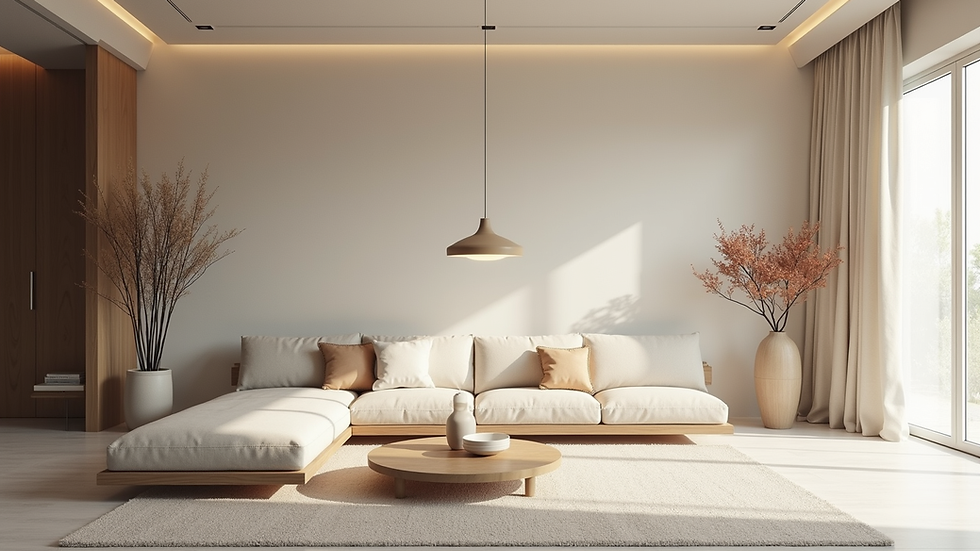
Emphasis on Sustainability
Sustainability is no longer just a buzzword; it has become a fundamental principle in custom design. Consumers are increasingly aware of their environmental impact and are seeking designs that reflect their values. Here are some ways sustainability is influencing custom design:
Eco-friendly Materials: Designers are opting for materials that are sustainable and have a lower environmental footprint. For example, bamboo, reclaimed wood, and recycled metals are becoming popular choices.
Energy Efficiency: Custom designs now often incorporate energy-efficient solutions, such as LED lighting and smart home technology, which not only reduce energy consumption but also lower utility bills.
Biophilic Design: This trend emphasizes the connection between nature and interior spaces. Incorporating natural elements like plants, water features, and natural light can enhance well-being and create a calming atmosphere.
Case Study: Sustainable Furniture
A notable example of sustainability in custom design is the rise of furniture brands that focus on eco-friendly practices. Companies like West Elm and IKEA are now offering collections made from sustainable materials, appealing to environmentally conscious consumers.
Personalization and Customization
In 2023, personalization is at the forefront of custom design. Consumers want products that reflect their unique tastes and lifestyles. Here’s how this trend is manifesting:
Tailored Solutions: Designers are offering bespoke services that allow clients to customize everything from color schemes to materials. This level of personalization creates a deeper emotional connection between the consumer and the product.
Interactive Design Tools: Many brands are now providing online tools that allow customers to visualize their custom designs in real-time. For instance, websites like Roomstyler enable users to create and modify room layouts with ease.
Limited Editions: Custom designs that are produced in limited quantities create a sense of exclusivity. This trend is particularly popular in fashion and home decor, where consumers are willing to pay a premium for unique items.
Example: Customizable Home Decor
Brands like Society6 allow customers to choose from a variety of designs and customize products such as throw pillows, wall art, and rugs. This level of personalization not only enhances the customer experience but also drives brand loyalty.
Technology Integration
The integration of technology into custom design is transforming how designers create and consumers interact with products. Here are some key aspects of this trend:
Augmented Reality (AR): AR technology is being used to help consumers visualize custom designs in their own spaces. For example, apps like IKEA Place allow users to see how furniture will look in their homes before making a purchase.
3D Printing: This technology is revolutionizing the production of custom designs. Designers can create intricate and personalized items quickly and efficiently, reducing waste and production costs.
Smart Home Integration: Custom designs are increasingly incorporating smart technology, allowing for seamless integration with home automation systems. This trend enhances convenience and functionality for consumers.
Case Study: AR in Interior Design
A great example of AR in action is Houzz, which offers an AR feature that lets users visualize how different products will look in their homes. This technology not only enhances the shopping experience but also helps consumers make informed decisions.
Minimalism with a Twist
While minimalism has been a dominant trend for years, 2023 is seeing a shift towards a more personalized and expressive form of minimalism. Here’s what this looks like:
Bold Accents: Minimalist designs are now incorporating bold colors and unique textures to create focal points. This approach allows for a clean aesthetic while still making a statement.
Functional Decor: Items that serve a purpose while also being aesthetically pleasing are gaining popularity. For example, multi-functional furniture pieces that save space and add style are in high demand.
Layering: Minimalist designs are embracing layering techniques to add depth and interest. This can be achieved through the use of various materials, patterns, and colors.
Example: Layered Minimalism
An example of this trend can be seen in the work of designer Marie Flanigan, who combines minimalist principles with layered textures and bold accents to create inviting and stylish spaces.
Cultural Influences
Cultural influences are playing a significant role in shaping custom design trends in 2023. Designers are drawing inspiration from diverse cultures, leading to more inclusive and globally inspired designs. Here are some ways this trend is manifesting:
Global Aesthetics: Incorporating elements from various cultures, such as Moroccan tiles or Japanese minimalism, creates a rich tapestry of design that appeals to a broader audience.
Storytelling through Design: Designers are using their work to tell stories and celebrate cultural heritage. This approach not only adds depth to the design but also fosters a sense of connection and understanding.
Collaboration with Artisans: Collaborating with local artisans allows designers to incorporate traditional techniques and craftsmanship into modern designs, creating unique and meaningful products.
Case Study: Culturally Inspired Designs
The work of Studio McGee showcases how cultural influences can be integrated into modern design. Their projects often feature a blend of global aesthetics, creating spaces that feel both contemporary and timeless.
Wellness-Centric Design
As the focus on mental health and well-being continues to grow, wellness-centric design is becoming a priority in custom design. Here’s how this trend is taking shape:
Mindful Spaces: Designers are creating spaces that promote relaxation and mindfulness. This can include features like meditation corners, calming color palettes, and natural materials.
Air Quality and Natural Light: Incorporating elements that improve air quality, such as indoor plants and proper ventilation, is becoming essential. Additionally, maximizing natural light can enhance mood and productivity.
Comfort and Ergonomics: Custom designs are increasingly prioritizing comfort and ergonomics, ensuring that spaces are not only beautiful but also functional and supportive of well-being.
Example: Wellness in Interior Design
The Well Building Standard is a certification that focuses on the health and well-being of building occupants. Many designers are now incorporating these principles into their projects, creating spaces that enhance physical and mental health.
Conclusion
As we navigate through 2023, the trends in custom design reflect a dynamic interplay of sustainability, personalization, technology, cultural influences, and wellness. By embracing these trends, designers can create spaces and products that resonate with consumers on a deeper level. Whether you are a designer looking to innovate or a consumer seeking inspiration, understanding these trends will help you make informed decisions that align with your values and lifestyle.
Stay ahead of the curve by exploring these trends and considering how they can be applied to your next custom design project. The future of design is not just about aesthetics; it’s about creating meaningful connections and experiences.


Comments